 +91 98551-63355


.png)








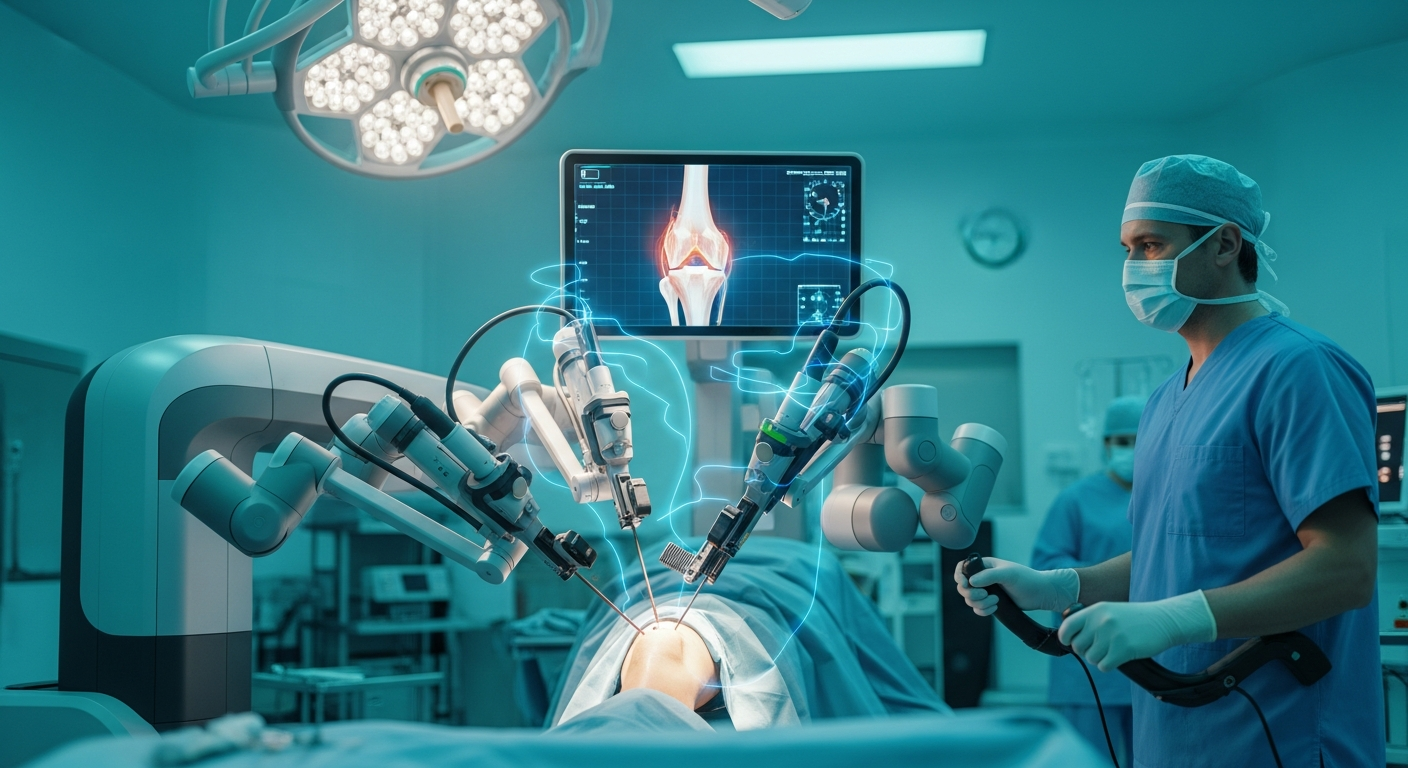
Knee Replacement Recovery Time – Complete Week-by-Week Guide for Patients
One of the most important questions patients ask before agreeing to knee replacement surgery is: "How long will recovery take?" Understanding the recovery timeline helps you plan for your surgery with realistic expectations and prepares you for each phase of healing. This guide provides a complete, week-by-week breakdown of knee replacement recovery based on actual patient outcomes at Nagpal Robotics, Bathinda.
Recovery after robotic knee replacement is generally faster than traditional surgery due to less tissue trauma, better implant alignment, and reduced surgical bleeding. However, every patient heals at their own pace influenced by age, overall health, weight, and commitment to physiotherapy.
Knee Replacement Recovery Timeline – Overview
Day 1–2: Surgery and First Steps
You wake from anaesthesia in the recovery room. Within 4–8 hours, physiotherapy begins. Most patients stand and take their first steps with a walker on the day of surgery or the next morning. Pain is managed with intravenous and oral medications.
Day 2–5: Hospital Stay
You continue walking with increasing confidence under physiotherapy supervision. Knee bending exercises begin — typically targeting 90 degrees of flexion by discharge. The surgical drain (if placed) is removed. Blood thinners are administered to prevent clots. Most patients are discharged by day 3–5.
Week 1–2: Home Recovery Begins
You return home with a detailed recovery plan. Walking with a walker continues. Wound care is performed daily. Physiotherapy exercises (quadriceps sets, ankle pumps, straight leg raises, seated knee bends) are done 2–3 times daily. Swelling and mild discomfort are normal. Suture removal occurs around day 10–14.
Week 3–4: Gaining Independence
Many patients transition from walker to crutches and then to a cane. Knee bending improves progressively — aiming for 100–110 degrees. Swelling begins to reduce. Most patients can manage basic daily activities including cooking, showering independently, and light household tasks.
Week 5–6: Walking Without Support
Most patients walk without any walking aid by week 6. Driving may be resumed for left-knee patients in automatic vehicles. Climbing stairs becomes more comfortable. Physiotherapy continues with progressive strengthening exercises.
Month 2–3: Return to Normal Life
Swelling continues to reduce gradually. Walking long distances becomes comfortable. Most office workers return to work during this period. Knee bending approaches 110–120 degrees. Driving resumes for most patients.
Month 3–6: Progressive Improvement
Knee function continues to improve month by month. Low-impact exercises like swimming, cycling, and walking are recommended and comfortable. Stiffness reduces significantly. Most patients feel the surgery was transformative during this phase.
Month 6–12: Maximum Recovery
The implant feels natural. Range of motion is maximized. Most patients report they have forgotten they had surgery. Activities of daily living are fully restored. Long-term protection of the implant through healthy lifestyle choices begins.
Factors That Affect Knee Replacement Recovery Time
- Age: Younger patients typically recover faster, though elderly patients also achieve excellent outcomes with proper care
- Weight: Maintaining a healthy BMI reduces stress on the new joint and improves recovery speed
- Pre-surgery fitness: Patients who are physically active before surgery tend to recover more quickly
- Physiotherapy commitment: Consistent, diligent physiotherapy is the single most important factor in recovery quality
- Surgical technique: Robotic-assisted surgery with minimally invasive approach leads to faster recovery than traditional methods
- Overall health: Conditions like diabetes, heart disease, and anaemia can slow healing
- Nutrition: Adequate protein and vitamin intake supports tissue healing
Do's and Don'ts During Knee Replacement Recovery
✅ DO
- Do all prescribed physiotherapy exercises daily
- Use ice packs to reduce swelling (20 min sessions)
- Elevate the leg when resting
- Take medications as prescribed
- Keep all follow-up appointments
- Report any fever, increasing redness or discharge
- Walk regularly with appropriate support
- Eat a protein-rich diet to support healing
❌ DON'T
- Don't skip physiotherapy sessions
- Don't twist or pivot on the operated knee
- Don't sit on very low chairs or squat deeply
- Don't drive until cleared by your surgeon
- Don't ignore pain or swelling that is getting worse
- Don't put pressure on the knee without support early on
- Don't discontinue blood thinners without medical advice
- Don't do high-impact activities until fully recovered
Physiotherapy Exercises During Knee Replacement Recovery
Physiotherapy is the cornerstone of successful knee replacement recovery. Key exercises include:
- Ankle pumps: Flex and extend the ankle to promote circulation and prevent clots
- Quadriceps sets: Tighten thigh muscles while the leg is straight — strengthens the quadriceps
- Straight leg raises: Lift the operated leg while keeping the knee straight
- Seated knee bends: Sitting in a chair, slide the foot back to bend the knee as far as comfortable
- Standing knee bends: Hold a stable surface and gently bend and straighten the knee
- Walking practice: Gradually increasing distance each day
- Stair climbing: Good leg leads going up, operated leg leads going down
When to Call Your Doctor During Recovery
Contact Nagpal Robotics immediately if you experience:
- Fever above 38.5°C / 101.3°F
- Increasing redness, warmth, or discharge from the wound
- Sudden severe pain that was not present before
- Significant swelling of the calf or ankle (possible blood clot)
- Shortness of breath or chest pain
Frequently Asked Questions
Q. Is recovery faster with robotic knee replacement?
Yes. Robotic surgery causes less trauma to surrounding tissue, which typically leads to less post-operative pain and swelling — allowing physiotherapy to progress more quickly and comfortably.
Q. When can I climb stairs after knee replacement?
Most patients can climb stairs with a railing by week 3–4. Full stair confidence typically develops by month 2–3. Remember: good leg goes up first, operated leg goes down first.
Q. Can I sleep normally after knee replacement?
Yes, though it may take a few weeks to find comfortable positions. Sleeping on your back with a pillow under the knee is recommended initially. Most patients sleep comfortably by week 4–6.
Q. How long does swelling last after knee replacement?
Some degree of swelling is normal for 3–6 months after surgery. It gradually reduces as recovery progresses. Ice packs, leg elevation, and regular exercise all help manage swelling.
Have Questions About Your Knee Replacement Recovery?
Consult Dr. Parampreet Singh Nagpal – Nagpal Robotics, Bathinda, Punjab
Call: +91 98551-63355 Book Appointment