 +91 98551-63355


.png)








Knee pain can change familiar routines: walking to a nearby shop, standing to prepare a meal, climbing household stairs or taking part in family activities. When symptoms persist, people may hear about knee replacement and wonder whether it is time to consider it. This guide explains the broad care pathway in Bathinda, from first questions to follow-up. It does not diagnose arthritis, decide that an operation is needed or replace advice from a clinician who has examined the person. Each patient's priorities and health circumstances are different.
What knee replacement means
The knee is a joint where the thigh bone and shin bone meet, with the kneecap moving at the front. Smooth surfaces help the bones move against one another. Arthritis or other damage can wear these surfaces and contribute to pain, stiffness and reduced movement. In knee replacement, a surgeon removes selected damaged surfaces and fits artificial components. A total replacement treats the main joint surfaces; a partial replacement may be considered when damage is confined to one area and the rest of the joint meets clinical requirements.
The term “replacement” can sound as if the whole knee is removed, but the operation replaces joint surfaces rather than the entire leg. The implant and operation are selected according to anatomy, examination and the surgeon's assessment. The purpose is to reduce symptoms from the damaged joint and help function, not to promise a normal or pain-free knee. Some stiffness, altered sensation, discomfort or limits can remain. Outcomes vary between people, and an operation cannot guarantee a particular walking distance, activity level or implant life.
Who can benefit from an evaluation
An orthopaedic consultation may be useful when pain, stiffness, swelling or a change in walking continues to affect daily life. A person may find stairs harder, need frequent rests, struggle to rise from a chair or wake at night. These experiences deserve attention but do not automatically mean replacement is appropriate. Knee pain can come from arthritis, injury, inflammation or other parts of the body. The clinician will ask about symptom history, examine the knee and consider relevant imaging before discussing likely causes and next steps.
Suitability is not decided by age alone. The assessment considers joint damage, symptom severity, physical examination, general health, existing conditions, medicines, activity goals and home support. A person with arthritis may manage symptoms without surgery; another may find daily life substantially restricted despite conservative care. Health issues such as diabetes, heart or lung conditions, circulation, skin problems or infection may change preparation or timing. The care team can help determine whether further medical input is useful. A consultation is an assessment, not an obligation to proceed.
Care before surgery: options worth discussing
Non-surgical care can be considered at different points. A tailored exercise programme or physiotherapy may support strength, flexibility and balance. Activity pacing can help distribute effort across the day; a walking aid, brace or footwear adjustment may be appropriate for some people. Weight-management advice may be relevant to some individuals, but should be respectful and based on health needs rather than blame. A clinician can discuss heat or cold, safe movement and practical changes for work or home. The best plan depends on diagnosis, ability and preference.
Medicines should be reviewed individually. Tell the doctor about prescriptions, non-prescription pain relievers, supplements, allergies and medical conditions such as kidney, stomach or heart disease. Do not start a medicine, change a dose or stop a regular prescription based on this page. Injections may be discussed for some conditions; ask about the specific product, likely benefit, limitations, possible harms and how it fits with other treatment. No single intervention is suitable for everyone. If a plan is recommended, agree how long to try it and how progress will be reviewed.
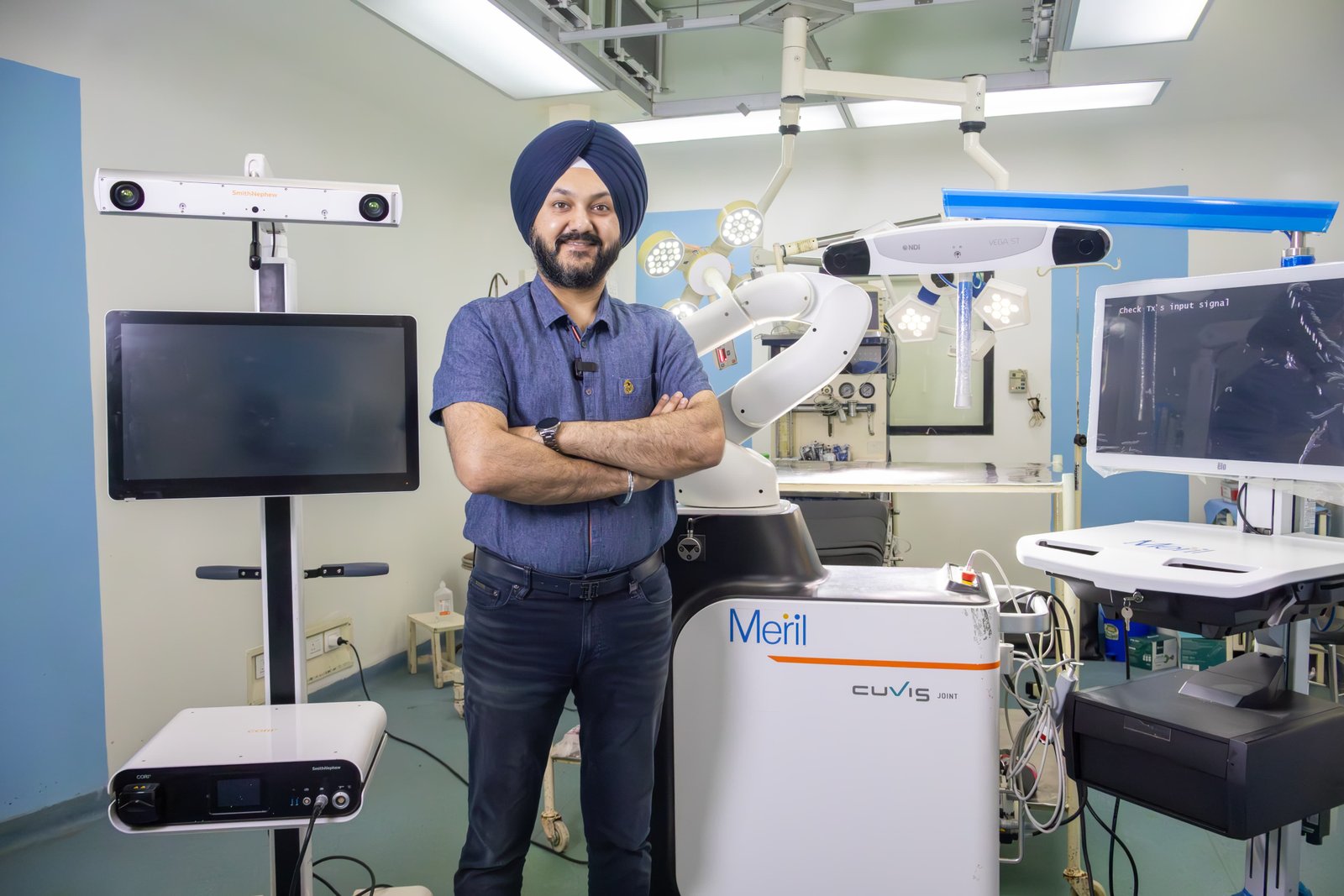
Clinic-reported profile facts
Dr. P.S. Nagpal is listed by the clinic as M.S (ORTHO), M.Ch. (USA), P.M.C. 36918 and Robotic Knee Replacement Surgeon. The clinic reports 3,000+ robotic surgeries, 13,000+ joint surgeries and 15+ years' experience. These figures are clinic-reported, have not been independently verified here and are not outcome claims. Nagpal Superspeciality Hospital is at Mall Road, Bathinda 151001.
What to expect at a consultation
The first visit generally starts with a discussion of your symptoms, activity, previous treatment, health history and goals. The clinician may review current medicines, allergies, prior operations and any history of anaesthesia problems or blood clots. A physical examination can assess movement, alignment, swelling, stability and walking. Bring a family member if you want help listening or planning; with your permission, the doctor can include them. If you need mobility or communication support, tell the clinic when booking so the visit can be planned.
Bring knee X-rays or scan reports if you have them, along with a list of medicines and relevant medical notes. Do not delay an appointment because you cannot find all prior paperwork. The doctor may ask what you have tried and what effect it had. Describe any sudden injury, recent fever, fast-growing swelling or rapid change. Ask which findings explain your symptoms and what uncertainty remains. A clear consultation should help you understand what is known, what still needs checking and whether you have time to consider options.
Tests and diagnosis
Standing X-rays are commonly used to assess joint spaces and alignment. The clinician interprets them alongside your symptoms and examination. An MRI, CT or blood test is not automatically needed for every person; further investigations are considered when they answer a specific question or support planning. The doctor should explain why a test is proposed and what its result may change. Tell the team about allergies, kidney problems, implanted devices or pregnancy possibility before an investigation. Keep copies of reports so that you and the care team can refer to the same information.
How a surgical plan is developed
If replacement is considered, the surgeon discusses the type of operation and why it may fit your knee. Total and partial replacement are not interchangeable choices for everyone; the location of damage, ligaments, alignment and other factors matter. The surgeon explains the intended implant and the possibility that the plan could change if findings during surgery differ. Ask about the alternatives, benefits, limits and your role in rehabilitation. A good plan makes room for your preferences while being honest about clinical constraints.
Robotic assistance may be used for planning or guidance in selected procedures. It is a tool in the hands of the surgical team, not a self-operating treatment or a guarantee of a result. Ask whether the clinic offers a robotic approach for your case, what the system contributes, and what limitations or additional costs apply. A conventional approach may also be discussed. Technology should be weighed alongside the surgeon's recommendation, anatomy, risks and your preferences. Ask whether additional imaging is required and how the plan is confirmed during the operation.
Anesthesia and possible risks
An anaesthesia professional reviews your health, medicines and preferences before the operation. They explain suitable options, which may include general or regional anaesthesia, and a plan for pain and nausea. The approach depends on individual factors. Tell the anaesthesia team about previous reactions, breathing problems, sleep apnoea, allergies, dental concerns and all medicines. Ask when to stop eating and drinking and which tablets to take on the day. Written instructions are important, because fasting and medicine plans vary. Never rely on another person's instructions for your operation.
Possible risks include infection, bleeding, a blood clot, stiffness, ongoing pain, wound-healing issues, nerve or blood-vessel injury, fracture, anaesthesia problems, implant wear or loosening and additional surgery. Risks depend on the person's health and the procedure. Ask which ones are most relevant to you, how the team works to reduce them, what warning signs matter and who to contact. The purpose of this conversation is not to frighten you; it is to make sure consent is informed. No technology can remove all risks or guarantee pain relief.
Hospital stay and going home
Hospital stay is variable and depends on medical monitoring, pain control, safe movement, wound checks, home support and the local discharge plan. The care team can describe its expected pathway after assessment, but cannot guarantee an exact number of nights. Some people need extra time or additional rehabilitation. Before discharge, ask how to care for the wound, take medicines, manage bathing and move safely. Confirm the follow-up date, who to call with a concern and whether a caregiver should be present during the first days at home.
Rehabilitation and follow-up
Rehabilitation can include supervised physiotherapy and a home exercise plan designed to improve movement, strength, balance and confidence. The amount and pace vary. Pain, swelling and fatigue may change from day to day, and recovery is not always a straight line. Follow the instructions from your surgeon and therapist, and ask how to adjust activity if a movement is difficult. Do not force a sharp or unfamiliar pain. A clinician can clarify which symptoms are expected and which need assessment.
Ask before discharge for clear instructions about warning signs and urgent help. Increasing wound redness or drainage, fever, sudden worsening pain or other new symptoms should be discussed with the care team according to their guidance. Severe breathlessness, chest pain or a serious emergency requires urgent medical attention. These examples are not a complete list; the treating team should provide specific contact information. If you are unsure whether something is urgent, ask rather than changing treatment on your own.
Cost, insurance and practical planning
Cost varies according to the type of procedure, implant, technology, tests, medical needs, medicines, hospital stay and rehabilitation. Ask the provider for a current written estimate and itemised inclusions. Clarify whether surgeon and anaesthesia fees, room, implant, investigations, medicines, physiotherapy and follow-up are included. Ask what charges may arise if the stay is longer or additional treatment is needed. This page does not publish a price or promise a package. A written estimate is more useful than a general amount found online because it can reflect the proposed plan.
For insurance, check network status, pre-authorisation requirements, paperwork, room limits, co-payments, deductibles and exclusions directly with the insurer. The clinic may help supply medical records and an estimate, but only the insurer can confirm coverage. Keep copies of approvals. Families from outside Bathinda should consider transport, accommodation, caregiver schedules and how many follow-up visits may be needed. Ask the team when travel is appropriate after surgery and whether support is needed on the journey. Do not make fixed travel plans until timing has been discussed with the clinicians.
Doctor profile and local appointments
Dr. P.S. Nagpal is listed by the clinic as M.S (ORTHO), M.Ch. (USA), P.M.C. 36918 and Robotic Knee Replacement Surgeon. The clinic reports 3,000+ robotic surgeries, 13,000+ joint surgeries and 15+ years' experience. Figures are clinic-reported, not independently verified here or outcome claims. Nagpal Superspeciality Hospital is at Mall Road, Bathinda 151001. For availability and directions, call +91 98551 63355 or +91 98555 63355, or see contact and appointment information.
Frequently asked questions
What is knee replacement?
It is an operation that replaces selected damaged joint surfaces with artificial components. A clinician determines whether it is a reasonable option by considering symptoms, examination, imaging, health and goals together.
Does every person with knee arthritis need replacement?
No. Some people manage with activity adjustments, exercise, medicines or other care. The appropriate options depend on the individual diagnosis and health. A consultation can help clarify choices without committing to surgery.
How long does recovery take?
Recovery varies by procedure, health, support and rehabilitation. The surgeon and therapist can discuss milestones and restrictions for an individual, but no exact recovery time can be promised to everyone.
Can robotic assistance be used?
It may be available for selected procedures. Ask whether it is relevant to your case, what it adds, what limitations apply and whether it changes cost or imaging. It does not guarantee an outcome.
How can I book an appointment?
Call the hospital using the numbers above or use the contact page to confirm availability and directions. Bring records and a medication list if available, and confirm current arrangements before travelling.
Get a clear view of your options.
A clinical conversation can help turn questions into a practical next step.
Call the clinicContact and appointments