Introduction
Once a joint replacement has been planned, it is normal to have a long list of practical questions. What should be packed? Which reports are needed? Should medicines be taken on the morning of surgery? Who should accompany the patient? What needs to be ready at home before discharge?
The safest preparation is to follow the hospital’s instructions for the individual patient. Checklists can help organise the details, but they should not replace advice about fasting, medicines, tests or arrival time. This guide covers the common arrangements to discuss before admission for knee or hip replacement at Nagpal Robotics in Bathinda.
Confirm the Admission Plan
Before the admission date, confirm the date, arrival time, location and contact number. Ask whether the hospital will call with further instructions and whether any tests or assessments must be completed beforehand. If the patient is travelling from outside Bathinda, allow time for the journey and consider what to do if travel is delayed.
Check whether the hospital has given instructions about eating and drinking, bathing, clothing, valuables and medicines. Do not assume the instructions are the same as those followed by a friend or relative. If something is unclear, call the clinic rather than guessing.
Keep the appointment information in one place, and make sure the patient and support person both know the plan.
Gather the Necessary Documents
Prepare a folder with the documents the clinic has requested. Depending on the patient, these may include:
- Identification and appointment confirmation.
- Recent X-rays and other relevant imaging reports.
- Blood test results and other investigation reports.
- Previous operation notes and discharge summaries.
- Current prescriptions and a complete medicine list.
- Details of allergies and important medical conditions.
- Insurance or payment-related documents, if applicable.
Bring the actual images where available, not only the written report. If records are digital, check that they can be opened before leaving home. If an older report is missing, tell the clinic; do not automatically postpone the appointment unless the team advises you to.
Review Medicines With the Clinical Team
The patient should provide a complete list of prescription medicines, over-the-counter products, supplements and herbal remedies. Include doses and timing. This is particularly important for blood thinners, diabetes medicines, medicines for heart or blood pressure conditions, steroids and any product that may affect bleeding or anaesthesia.
Do not stop, skip or change medicines independently. The surgeon, anaesthetist or prescribing clinician should provide clear instructions about what to take and what to hold, if anything. If you receive conflicting advice, contact the clinical team before admission.
If the patient has recently started a medicine, had a reaction or developed a new health problem, report it before the operation.
Tell the Team About Changes in Health
Contact the clinic if the patient develops fever, a new infection, a wound, chest symptoms or another significant change before surgery. The team needs to decide whether the operation can proceed as planned or whether reassessment is needed.
Mention any history of anaesthesia problems, blood clots, allergies, diabetes, heart or lung disease, sleep-related breathing issues or previous infection around a joint. These details help the team plan safe care. Do not assume that information shared during an earlier appointment is automatically up to date.
Pack Sensibly
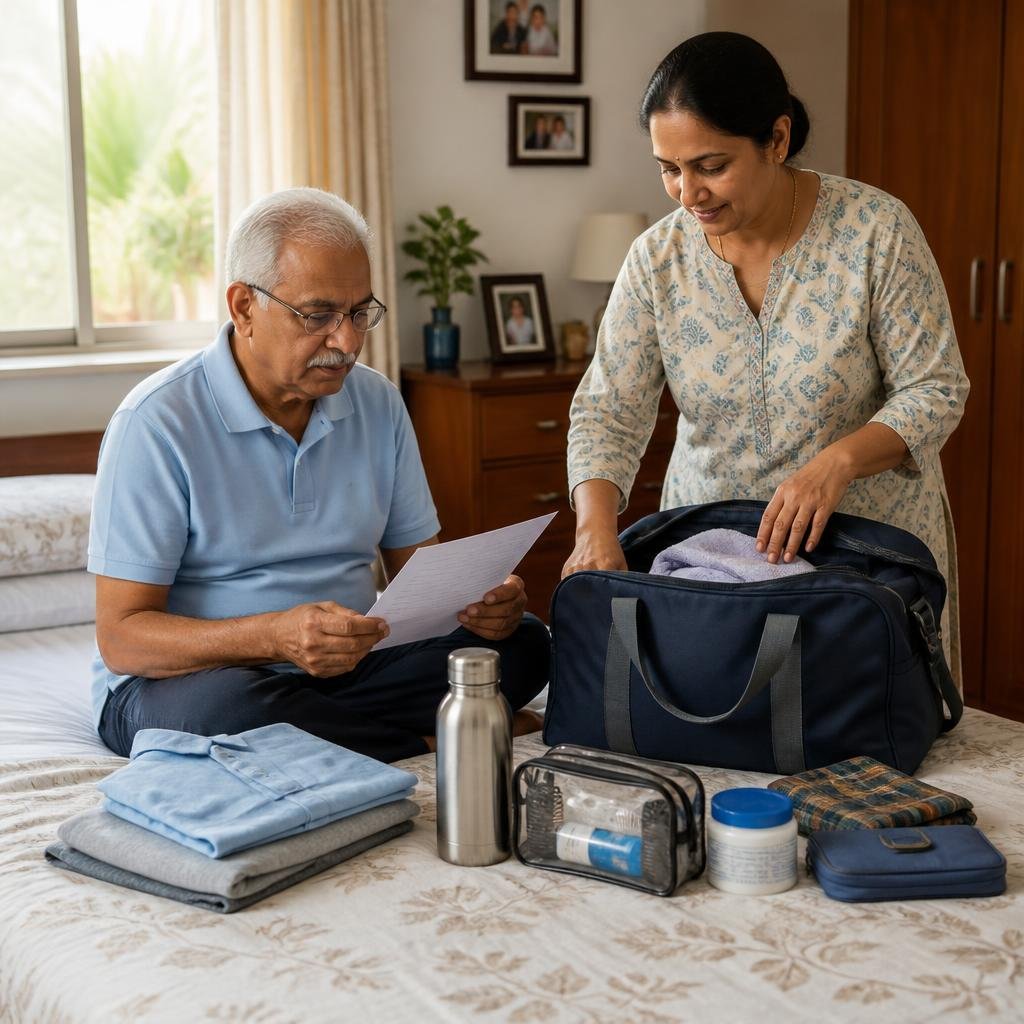
Ask the hospital what to bring and avoid taking unnecessary valuables. Commonly useful items may include comfortable clothing, non-slip footwear if permitted, personal hygiene items, spectacles or hearing aids, a phone and charger, and the documents listed by the clinic. Label personal items where helpful.
Do not bring medicines in loose, unlabelled containers. If the hospital asks you to bring current medicines, keep them in their original packaging or bring a clear list. The hospital team will tell you how medicines are to be managed during the stay.
If the patient uses a walking aid, ask whether to bring it. The physiotherapist may want to check its fit or advise on a different aid after surgery.
Arrange a Support Person and Transport
Decide who will accompany the patient, receive updates if the patient gives permission and help with the journey home when discharge is approved. Confirm visiting arrangements and whether the hospital needs a designated contact person.
Do not plan for the patient to drive themselves home after an operation. Follow the hospital’s advice about transport and the level of assistance needed. If the family lives far away, arrange the return journey only after the team confirms the likely discharge plan.
A support person can also help take notes and remember instructions, but the patient should remain involved in decisions and conversations about their care.
Prepare the Home Before Admission
Think about the first days after discharge. Clear loose rugs, wires and clutter from common walking routes. Improve lighting, especially between the bedroom and bathroom. Place frequently used items within easy reach and plan meals or household help so the patient does not have to manage everything immediately.
If there are stairs, discuss them with the physiotherapist or hospital team before admission. Ask whether a walking aid, raised seating or other equipment is appropriate. Requirements depend on the patient’s mobility and the home layout, so avoid buying equipment without advice.
Make a plan for pets, children, shopping, cooking and other responsibilities. The patient may need help at first, but the goal is to support safe independence as advised by the care team.
Understand the Preoperative Instructions
The hospital may provide instructions about fasting, bathing, skin preparation, medicines and arrival time. Read them carefully and contact the team if any instruction is unclear. Do not use a generic online fasting schedule or follow another patient’s medication plan.
If a test or medical review is outstanding, ask whether it must be completed before admission. If you cannot complete a requested task on time, tell the clinic as early as possible rather than waiting until arrival.
The team may also explain what to expect on admission, how consent is handled, who will review the patient and when the family can expect updates.
Ask About Pain Control and Rehabilitation
Before admission, ask how pain will be assessed and managed, when physiotherapy is expected to begin and what the patient may need to practise. The exact plan depends on the procedure and health. Knowing the broad pathway can reduce uncertainty, but avoid setting a rigid recovery deadline.
Ask what walking aids may be used, how wound care will be explained and which follow-up appointments should be arranged. Confirm who to contact if questions arise after discharge.
Keep Expectations Realistic
Joint replacement aims to reduce pain and improve function for suitable patients, but recovery varies. Swelling, discomfort, tiredness and the need for rehabilitation may continue after discharge. The care team will guide activity and recovery according to the patient’s progress.
Avoid comparing the patient’s recovery with someone else’s. A relative may have had a different procedure, medical history or home support. Encourage the patient to follow the prescribed plan and report concerns early.
Admission-Day Checklist
Before leaving home, check that you have:
- Confirmed the arrival time and followed the hospital’s specific instructions.
- Packed requested reports, imaging and medicine information.
- Included identification and payment or insurance documents if needed.
- Followed medicine instructions provided by the clinical team.
- Arranged transport and a support person.
- Stored the clinic’s contact number.
- Reported any new illness or significant change in health.
This checklist is a prompt, not a replacement for the instructions given by the treating hospital.
Frequently Asked Questions
What documents should I bring for knee replacement admission?
Bring the documents requested by the hospital, commonly identification, imaging, investigation reports, prescriptions, medicine lists, allergy details and previous operation records if relevant.
Should I stop medicines before joint replacement?
Do not stop or change medicines on your own. Follow the specific instructions provided by the surgeon, anaesthetist or prescribing clinician.
What should I pack for the hospital?
Confirm the hospital’s list. Comfortable clothing, personal essentials, phone and charger, relevant documents and any requested walking aid may be useful. Avoid unnecessary valuables.
Can I eat or drink before admission?
Follow the exact fasting instructions provided for your operation. If you are unsure, contact the hospital rather than guessing.
Should someone accompany me?
A support person can help with communication and transport arrangements. Follow the hospital’s advice about who should accompany the patient and how discharge transport will be arranged.
What if I become unwell before surgery?
Contact the hospital or treating team promptly and explain the symptoms. They will advise whether reassessment or a change to the plan is needed.
Conclusion
Preparing for joint replacement admission is easier when documents, medicines, transport and home arrangements are organised in advance. Confirm the details with the hospital, follow the patient-specific instructions and raise questions before the admission day. For patients scheduled at Nagpal Robotics, Mall Road, Bathinda, contact the clinic directly to confirm current admission requirements and appointment details.